
With only one out of eight drugs in animal clinical trials being approved to be sold in the market shows how ineffective animal tests can be humans.
Also, with humans, rats and monkeys having different anatomies there are bound to be some complications.
So here are the Top 5 drugs that work in animals that didn’t quite work on humans:
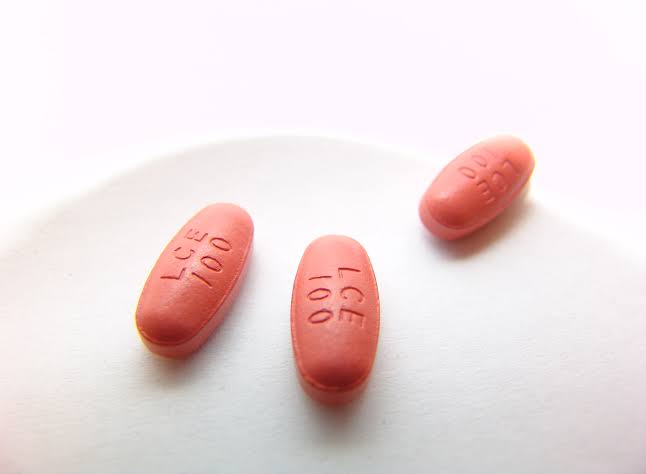
1. TGN1412
A very nice and complicated name for an arthritis drug that has 92 percent failure rate which was held at the Northwick Park Hospital in London killed six men on 2006.
In less than two hours the patients has experienced organ failure and brain swelling however the drug has no harmful effects when it was tested on 500 monkeys.
Yes, they tested 500 monkeys without finding any side effects. I wonder where are those monkeys.
This just shows how animal testing can be very ineffective in some conditions since then, a human baaed toxicity test has been placed to prevent the lost of lives.
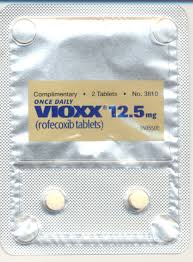
2. Vioxx
There a lot of well-established drugs in the market such as Ibuprofen so there is no need to replace them right? Or is there?
In 2004, a new anti-inflammatory drug called rofecoxib (also known under the brand name Vioxx) was withdrawn from the market over safety concerns, after a reported 88,000-140,000 people
suffered heart attacks from taking the drug Vioxx and similar drugs had previously been considered not only safe, but protective in animal tests.
So it is better to stick to the well known drugs such as Aspirin and Ibuprofen for now.
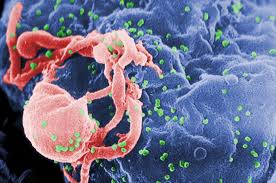
3. Failed HIV drugs
HIV or Human Immunodeficiency Virus is a virus is a disease that severely damages the body’s immune system and can be transmitted through a person’s body fluids.
It is such a deadly virus that decades of HIV testing in animals have yet to end result in a profitable vaccine and international prevention
programs have proved ways greater effective.
In 2013, human trials of an experimental HIV vaccine
— that have been extended based totally on experiments in monkeys — have been halted when it was once located that
the vaccine did not forestall HIV infection or decrease viral load in these already infected.
This is one of over eighty preventive HIV and therapeutic AIDS vaccines that have advanced via animal
tests, only to fail in more than a hundred human medical trials.
So it is better to use traditional protection against HIV for now.
4. Failed Parkinson drugs!
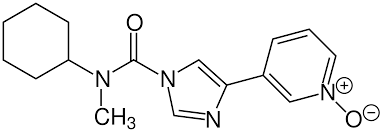
Parkinson’s Disease is the disease that makes people’s muscles to become weak and their arms and legs to shake and affects 1 million people each year in the US.
In 2007, a new drug to deal with Parkinson’s ailment acknowledged as CEP-1347 failed clinical trial in human beings after being viewed profitable in animal exams and similarly trendy examples consist of Cogane, a
trial drug which regarded to be exquisite in opposition to Parkinson’s disorder in animals, on the different hand failed to show off
clinical have an effect on in human trials and used to be once introduced a failure in 2013.
5. Failed Alzheimer’s drug
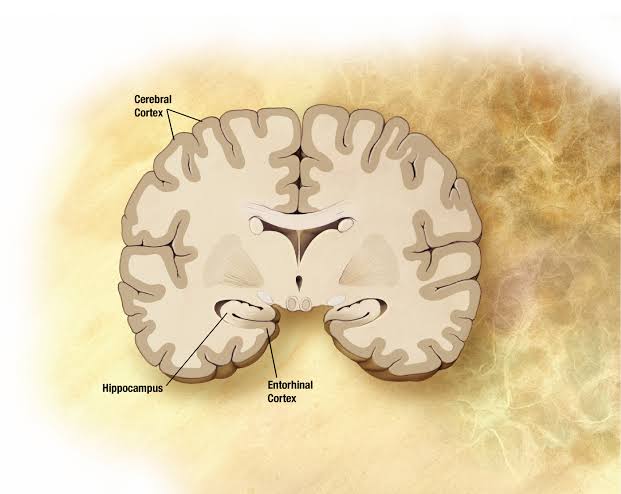
Many potential treatments for Alzheimer’s disease have failed in recent years, with the rate of
attrition recently being announced as an ‘astounding 99.6%’.
A recent study looked at how 244
compounds in 413 clinical trials fared for Alzheimer’s disease between 2002 and 2012. Of those 244
compounds, only one was approved.
One recent example is the drug Dimebon, which failed to
prove effective in human trials which were halted, despite being considered successful in earlier
animal tests.
So these we’re the Top 5 drugs that work on animals that work on animals but didn’t work humans.
Despite these failures, a new system of testing drugs to humans has been put in place to prevent the lost of lives such as human based biology test but where are still along way from animal-free testing.
Which drug surprises you to be in this list and have you taken one before?

 The Science Note