
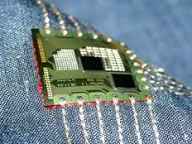
Smart cars, Smart homes and smartphones, we have them all but why don’t we still have smart clothes?
To answer this question, Yoel Fink a professor of material Science and principal investigator at the Massachusetts Institute of Technology has developing smart fibers that can help detect the health issues of a person by monitoring their body’s sound.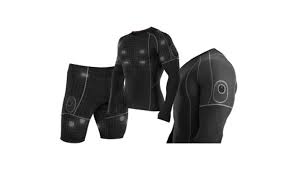
According to Fink, what inspires him in developing the smart clothes was the highly reflective mirror which he developed as an undergraduate student is actually a highly reflective fiber which in turn can be utilized to detect health problems.
In fact these fibers we’re already used at the University of Colombia to a robot in order to cure prostate cancer.
Besides for medical purposes the fibers in the smart clothes can also emit sounds by converting electrical signals to acoustic sounds.
The fibers in the smart clothes, work by detecting a health (such as a tumor) which produces a sound, next the fiber picks the acoustic sound coming from the tumor.
Then, the fibers vibrate in the opposite direction of the sound and finally the result is shown in the monitor such as your phone or laptop to be analyzed.
Fink goes on saying that instead of using your headphones to listen to music, the smart fibers will not only make listening to music more convenient but will also make the sounds more concentrated which means that you can listen to your music while at the same time you can hear your surroundings.
It is a better substitute for the inconvenient way of listening to music with our phones, on which we have to use headphones to listen to our music privately.
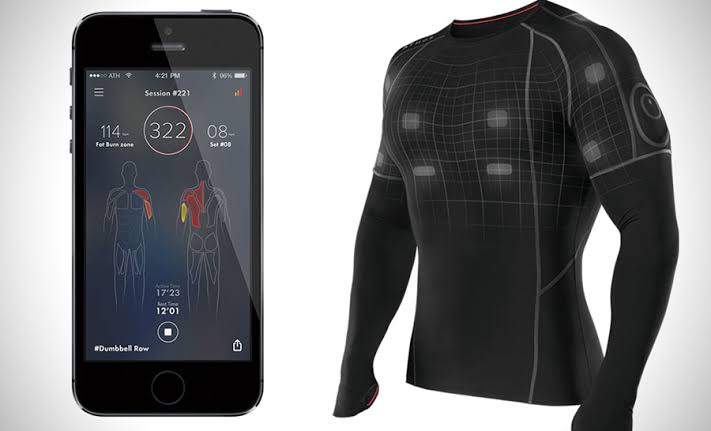
Aside from leisure and medical purposes can be use in the military.
With smart clothes, soldiers can monitor their health status in the battlefield (in case they get wounded or in a long mission), communicate with their fellow soldiers and detection of potential risks.
Moreover, the Army Natick in Massachusetts is already collaborating with Yoel Fink to use smart clothes in the military and is currently manufacturing the fibers that are being use.
So, smart clothes will become a reality anytime soon but it will be use for military purposes like any other0 SC 0 5l6invention like for example the radio.
But once smart clothes became a reality (preferably somewhere in 2025) imagine what it could do — personalized music, attain maximum comfort everywhere or exercise without moving.
So if smart clothes is available everywhere was a reality, what would you do?
Leave your answers in the comments section below.
(This article is an exert from an interview in the Talk of the Nation with host IRA FLATOW).
Resources

 The Science Note